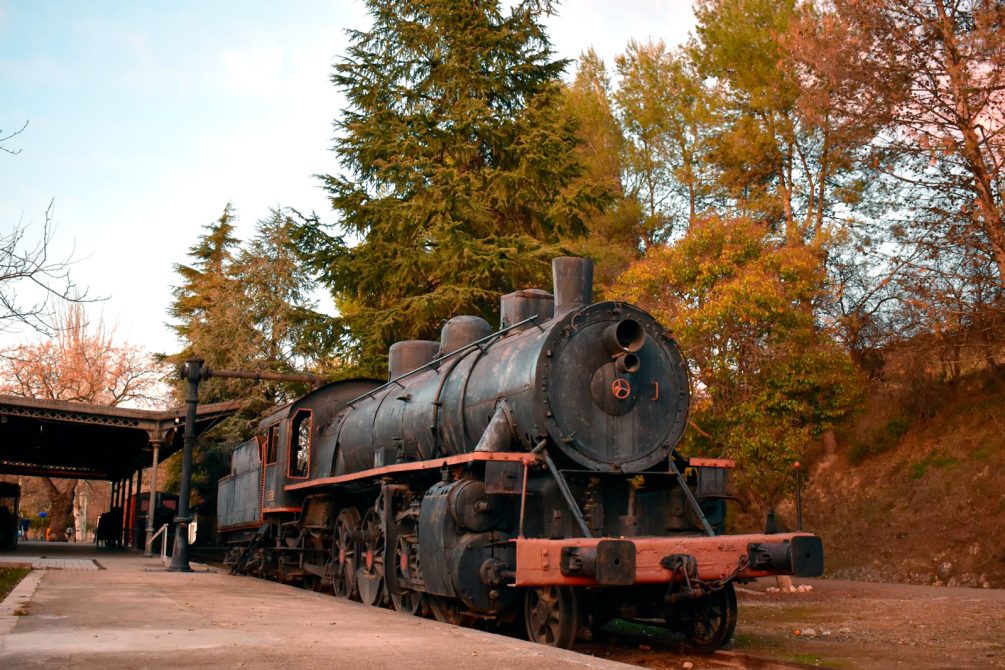
The old Cabra train station, located at the foot of the Vía Verde del Aceite (Olive Oil Greenway), has been renovated into the "El Tren" youth hostel and restaurant. It has 22 beds arranged in bunk beds in the various rooms. Accessible bathrooms are available. The hostel also offers parking, a bicycle cleaning area, and event organization services. Photo source: Spanish Railways Foundation.
Read more
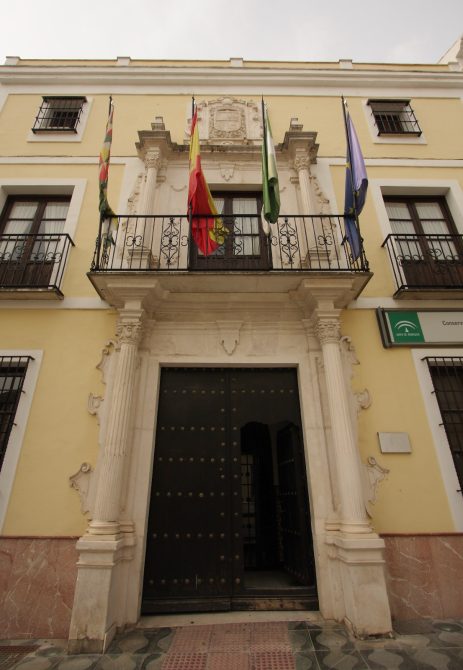
In Cabra, the birthplace of Juan Valera stands as an elegant late 18th-century palatial home, linked to the family of the celebrated writer until 1919. Visitors are struck by its understated façade with three openings, dominated by the main entrance and balcony crowned with the family coat of arms, and an attic-style top floor where the large coat of arms takes center stage. The entrance is particularly noteworthy, considered one of the most beautiful among the town's ancestral homes. Baroque in style, it possesses a distinctly Renaissance feel thanks to its design and proportions. The main doorway is flanked by Corinthian columns that support the balcony of the main floor, emphasizing the building's stately character. A comprehensive restoration was carried out in the late 1990s, recovering the façade's splendor and adapting the interior for its new use as a Music Conservatory—an example of how heritage has been preserved while being given a contemporary cultural function.
Read more

Located in Baena, the Tourist Office offers visitors tourist information about the municipality. The area has been shaped by a long history of settlements and occupations that have given rise to a unique and ancient culture, evidenced by numerous remains that will surprise visitors. The town, sprawling across a hill covered in white houses clustered along winding, narrow streets, offers the typical image of a rural village. Baena is archaeology, the finest extra virgin olive oil, architecture, nature, tradition, Holy Week celebrations, and folk songs. Temporarily closed.
Read more
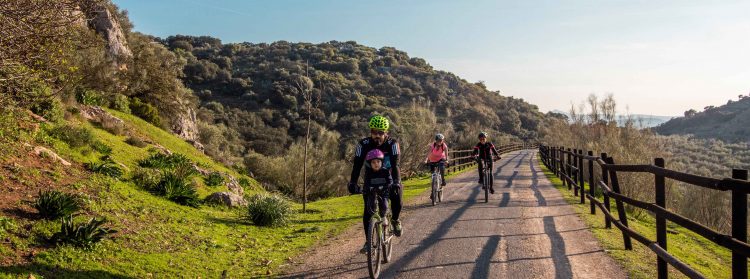
Metal viaducts over olive groves on Andalusia's longest greenway. From the city of Jaén, a long stretch of steel once wound through the olive groves of the provinces of Jaén and Córdoba, reaching the banks of the Genil River. This route, along which trains once traveled, is now Andalusia's longest greenway, offering a journey to enjoy exceptional metal viaducts, some of the most rugged landscapes of these Andalusian provinces, and restored villages and stations. Part of this route is also the GR 341 long-distance trail, "Caminos de Pasión" (Paths of Passion). Jaén – Campo Real in Puente Genil (Córdoba), passing through Torredelcampo, Torredonjimeno, Martos, and Alcaudete (Jaén); Luque, Baena, Zuheros, Doña Mencía, Cabra, Lucena, Moriles, and Aguilar de la Frontera (Córdoba). Jaén – Córdoba. Andalusia. Suitable for hikers, cyclists, and people with reduced mobility. Asphalt and compacted earth surface. Connection to the Luque – Baena branch line. 7,9 km, 12 stations, 4 tunnels (one is a cut-and-cover tunnel), 13 metal viaducts and 7 pedestrian walkways.
Read more
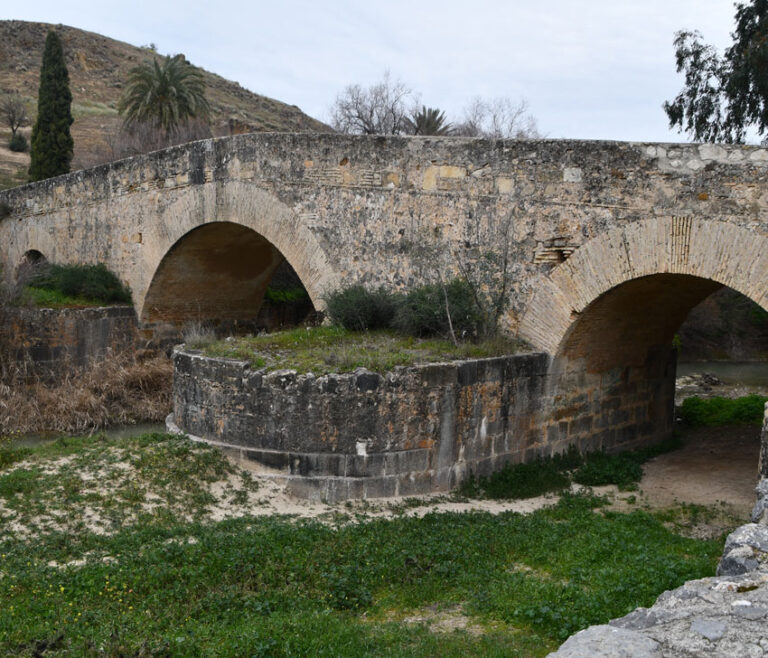
Located 6 km from the town center, this natural area on the banks of the Guadajoz River is home to the Nature Classroom and its interpretation center. It offers a barbecue area, a campervan area, hiking trails, a zip line, and archery.
Read more
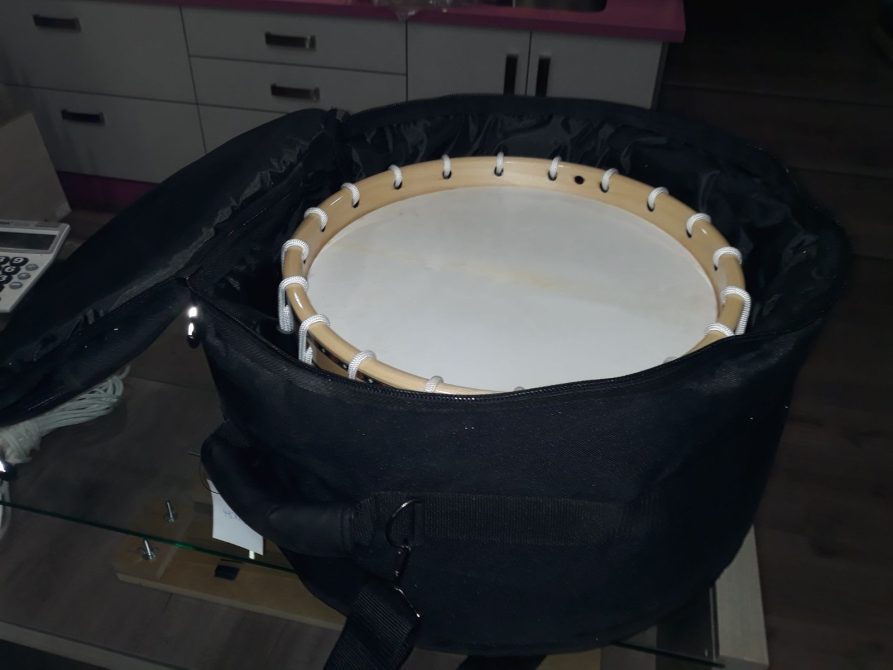
Geppeto Percussion offers excellent services for everything related to woodworking. They make handcrafted drums, kitchen accessories, repair furniture, and assemble wooden panels for walls, doors, and windows.
Read more

Traditional confectionery shop in Baena. They make typical sweets such as muffins, farmhouse bread rolls, fritters, wine doughnuts, and more. They also make custom cakes, delicious empanadas, and fine pastries. Baked in a wood-fired oven.
Read more
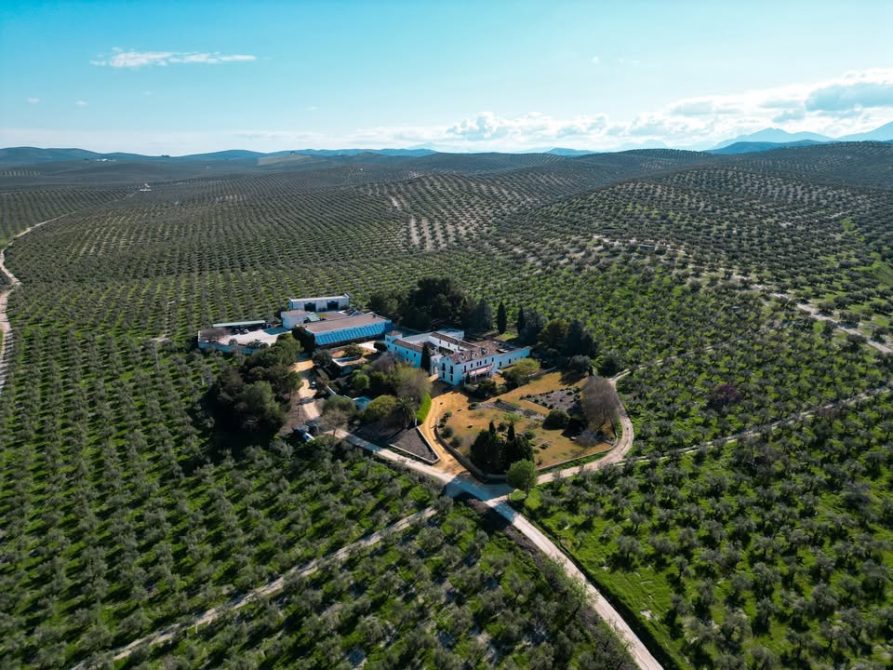
Cortijo de Suerte Alta is a family-run olive oil mill in Albendín (Baena) that produces 100% organic extra virgin olive oil with the Baena Designation of Origin. Recognized with over 200 national and international awards and the SIQEV quality seal, they carefully manage every stage, from the organic cultivation of the olive trees to the cold pressing, striving for balance throughout the process to preserve the full aroma and flavor of their oil, from the olive tree to the bottle. Discover their collection of premium organic extra virgin olive oil and purchase online at their website. Visits to their facilities are available by appointment.
Read more
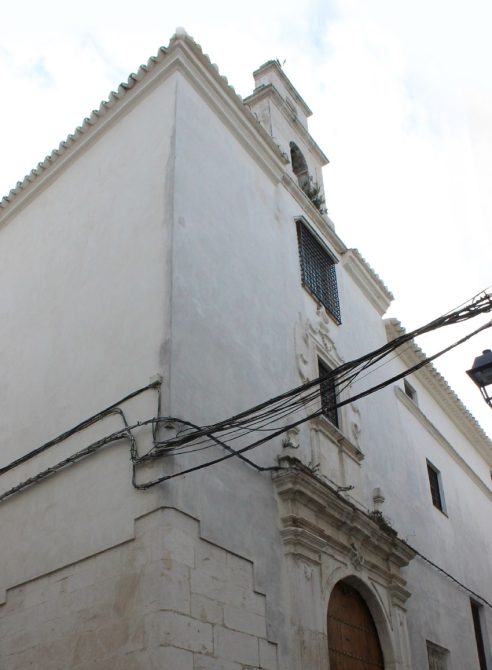
Built in the late 18th century, its façade forms a striking ensemble with a stone portal and bell gable. It has a single nave, covered with a barrel vault supported by transverse arches. The transept is covered by a dome resting on pendentives, and the main chapel features a quarter-sphere dome. The choir is located at the west end, elevated. The main altarpiece, dating from the first half of the 18th century, is particularly noteworthy, composed of two tiers and three sections separated by fluted columns.
Read more
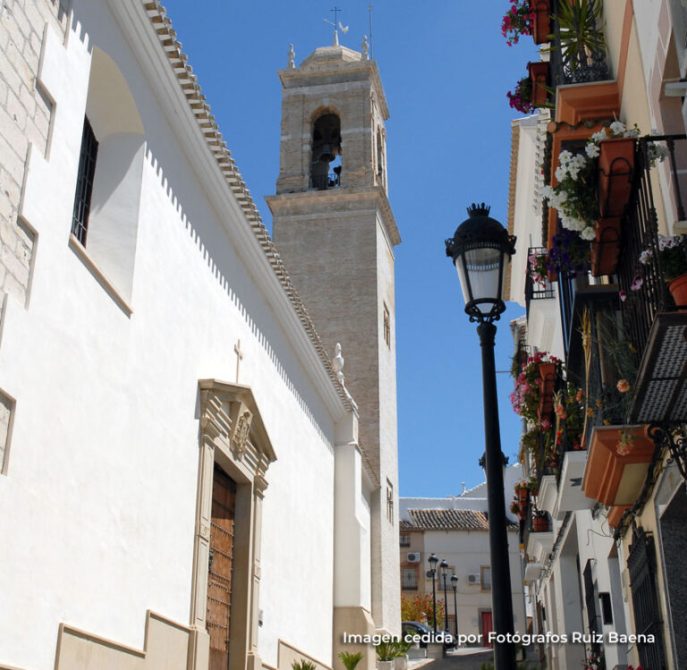
Due to its location outside the Almedina, it may have been an early mosque that was later Christianized. Its existence is documented from 1448, although the Gothic section was added later, in the late 15th and early 16th centuries. It is of simple construction, with three naves and no transept, covered by ribbed vaults and featuring a Mudéjar coffered ceiling. The main altarpiece, a modern addition, is located in the presbytery. In the Epistle aisle is the Chapel of the Blessed Sacrament, enclosed by a grille from the first half of the 16th century, topped with a coat of arms. It has two pulpits, both from the late 17th century, but the most important is the one on the Gospel side, notable for the rich carving of its sounding board. Regarding the main entrance, the coat of arms of the Bishop of Córdoba, carved into the wooden panels of the screen, and its 18th-century bronze knockers are particularly noteworthy. From 1977 onwards, due to the building's poor condition, it underwent a major transformation, which included the construction of the nave vaults and the semicircular arches separating them, while preserving the original pillars with columns attached to their faces. Exterior photograph of the church: courtesy of Ruíz Baena Photographers.
Read more
