Una ruta cultural por la historia, las tradiciones, la gastronomía y la naturaleza de diez enclaves patrimoniales por el interior de Andalucía
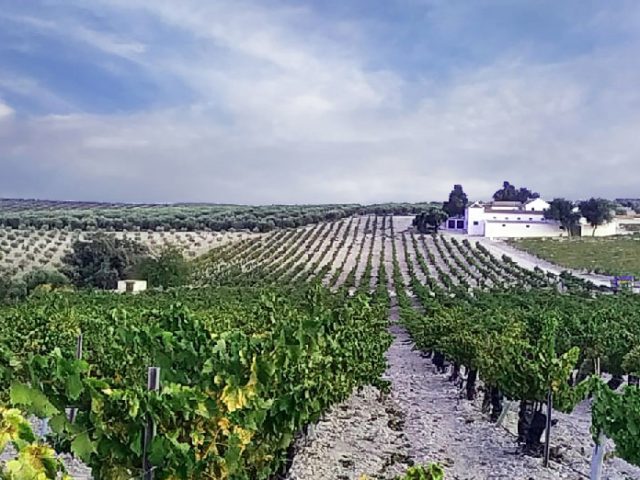
To the south of the Cordovan countryside there is a centennial winery framed in the D.O. MONTILLA MORILES. Located in Moriles Altos, a privileged area for the quality of its albarizo soils, where nature and climate work in a special way to give us wines with their own personality. They offer visits to the winery, winery and vineyards. You can choose between tastings, personalized tastings, guided group tours, or other options. II TOUR OF GASTRONOMIC AND RURAL EXPERIENCES. 21, 22, 23, 28, 29, 30, October 2022. VISIT TO BODEGA LAGAR DE LOS FRAILES. Guided visit to the grove, the winery and the old cellar, including tasting of three unfiltered wines (vinos en rama). Reservations: (+34) 639179492 / info@lagardelosfrailes.com Price: € 12 per person.
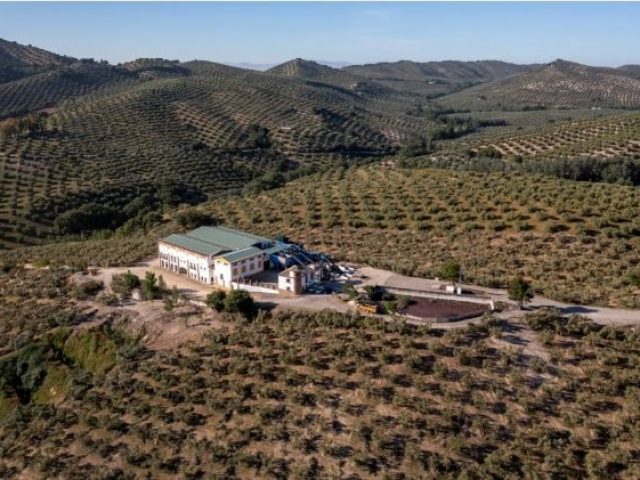
Elia Oil Company is located in one of the most emblematic buildings in the region, in Priego de Córdoba, a classic Andalusian farmhouse from the 19th century, at the foot of La Tiñosa, the highest point in the province of Córdoba, in the heart of Parque Nature and Geopark of the Sierras Subbéticas. The mill was launched in 1994, its main objective being the search for the highest quality, promoting the culture of oil and respecting the landscape of the wonderful enclave in which we are located. The best way to learn and enjoy oil is to get lost in the olive groves and feel it up close, appreciate where it comes from, feel its perfume and appreciate its nuances, which is why our facilities are equipped to receive visitors, enjoy the surroundings and our products. . The best professionals and oleologists will show you why Nuve Olivo is a high-altitude oil, a unique oil, they will explain why the special characteristics of the soil and our centenary olive trees give our oil a unique personality. It is essential to make an appointment. The reception in the olive grove will take place whenever the weather conditions allow it. Services: The […]
Its work is articulated through weekly baskets of fresh organic products, an EcoStore, an Order Center or Collection Center for large consumers and an incipient canning factory, all managed under an Economy for the Common Good system. They offer visits to organic gardens and their facilities by reservation. II TOUR OF GASTRONOMIC AND RURAL EXPERIENCES. 21, 22, 23, 28, 29, 30, October 2022. VISIT TO THE ECOCENTRO SUBBÉTICA ECOLÓGICA. Tour through the route of the water and Cabra’s cultivated areas. Visit of the Ecocentro and its organic bakery and produce tasting. Reservations: (+34) 622 552 703/ comunicacion@subbeticaecologica.com Price: € 12 per person
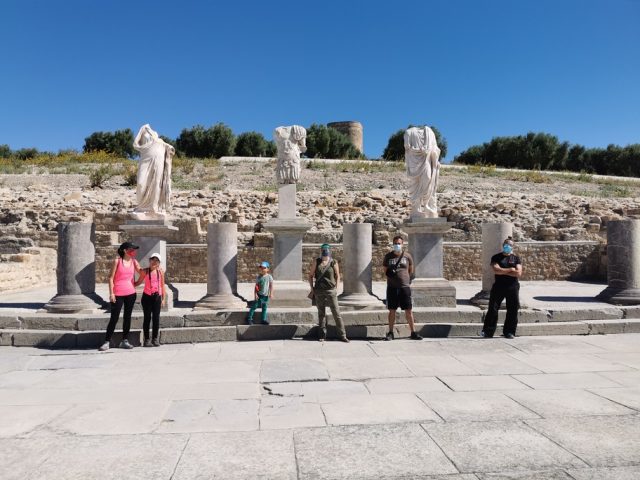
Tour company who offers local tours, experiences and educational workshops for groups and individuals. Both tours and workshops can be delivered in English and Spanish.
Avenida Castro del Rio, 1-2D, Baena
 English
 Español
 Français
 Deutsch